
Steady Self School
A school for the work that begins where insight ends.
Steady Self School teaches depth-oriented meditation and nervous system practice for people who have already done a great deal of inner work. The question is how to stay present to what you know, feel, and need when life becomes difficult.
Classical contemplative practice, taught with precision and made useful in an ordinary human life.
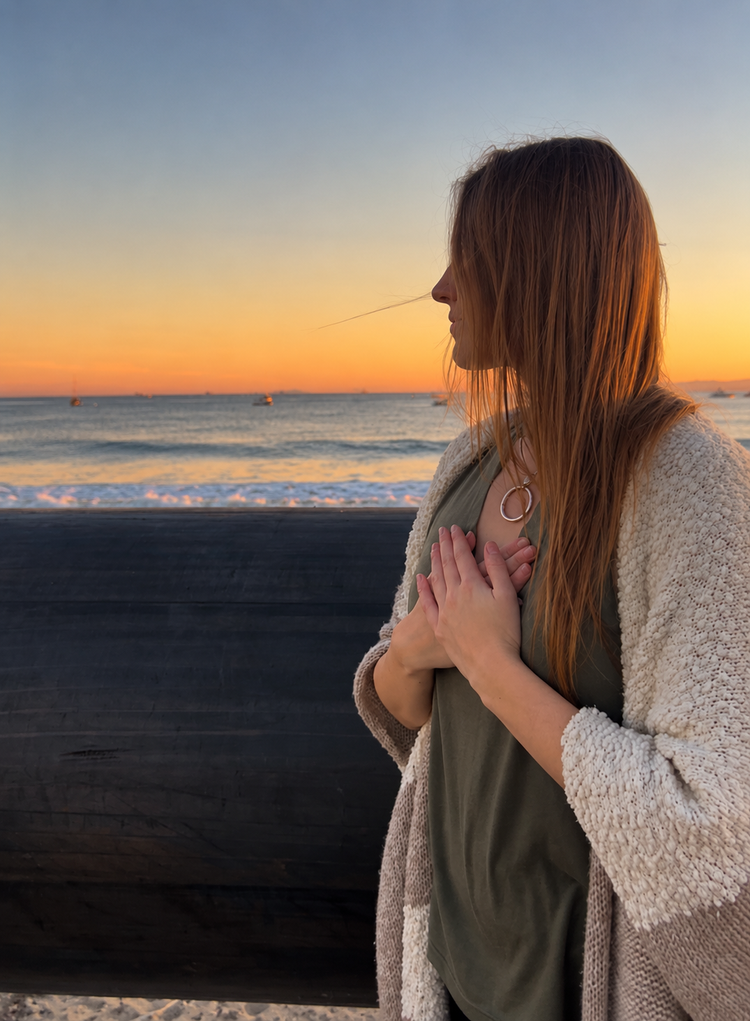
When insight gets hard to access.
Steady Self School is a depth-oriented meditation and nervous system education practice rooted in the Sri Vidya lineage of classical Tantra, contemporary nervous system research, and a depth-psychological orientation.
A school offers sequence, context, practice, and return. The work here is organized accordingly: practices relate to one another, learning is given time to settle, and students are treated as intelligent participants in their own interior lives.
Study
Accurate context for the tradition, the nervous system, and the architecture of attention.
Practice
Methods precise enough to repeat and grounded enough to bring into ordinary life.
Integration
Time, relationship, and structure for what is understood to become more available under pressure.
The experience that shaped this school.
The gap between insight and change is the territory I work in.
I began studying at nineteen, while navigating severe chronic pain, substance abuse, and profound nervous system dysregulation. I could appear highly functional while living in crisis underneath. The available tools had not reached what I was carrying.
What changed the direction of my life was encountering a lineage. I began studying with Brooke Shannon Sullivan, founder of the Wild Temple School of Yoga and Herbal Wisdom, and entered the Sri Vidya tradition of classical Tantra at the base of Mount Shasta.
What I found was precise: a structured map of interior life and practices that trained attention over time. The work did not function as a cure. Its value was slower and more durable - a disciplined way to build capacity, return, and relationship with my own experience.
That distinction still shapes everything I teach. The people I work with are often already thoughtful, practiced, and psychologically literate. They can name the pattern. The question is whether they can remain in relationship with themselves when the pattern is already moving.
A living practice tradition, carried through study.
I have studied in the Sri Vidya lineage for more than a decade. In 2019, my 500-hour yoga teacher training culminated in a final 100-hour intensive with my teacher at the Himalayan Sage Institute in Khajuraho, India.
That time deepened the practice and, just as importantly, the seriousness with which I use the word student.
Chausath Yogini Mandir · Khajuraho, India
“The more this practice has given me, the more clearly I understand how much there is to learn.”
What “Tantra” means here
Tantra refers here to a classical philosophical and meditative tradition. Sri Vidya is a householder path: rigorous, embodied, and compatible with ordinary adult life. The practice does not require adopting a belief identity.
The teaching is informed by more than one room.
My formation brings contemplative practice into conversation with psychology, individual change work, and experience in behavioral health settings. Those rooms placed theory beside real difficulty and taught me to respect scope.
Ongoing study in the Sri Vidya lineage of classical Tantra. A 500-hour yoga teacher certification through the Wild Temple School, completed in 2019. A B.S. in Psychology from California State University, Sacramento. Graduate study in Counseling Psychology at Pacifica Graduate Institute, beginning September 2026, with a focus in Depth Psychology and Jungian Psychoanalysis.
Additional formation includes ICF-accredited individual change-work training and work in residential substance-use treatment, behavioral intervention, and physical rehabilitation settings. I name these as context for the teaching - not as a claim to clinical practice.
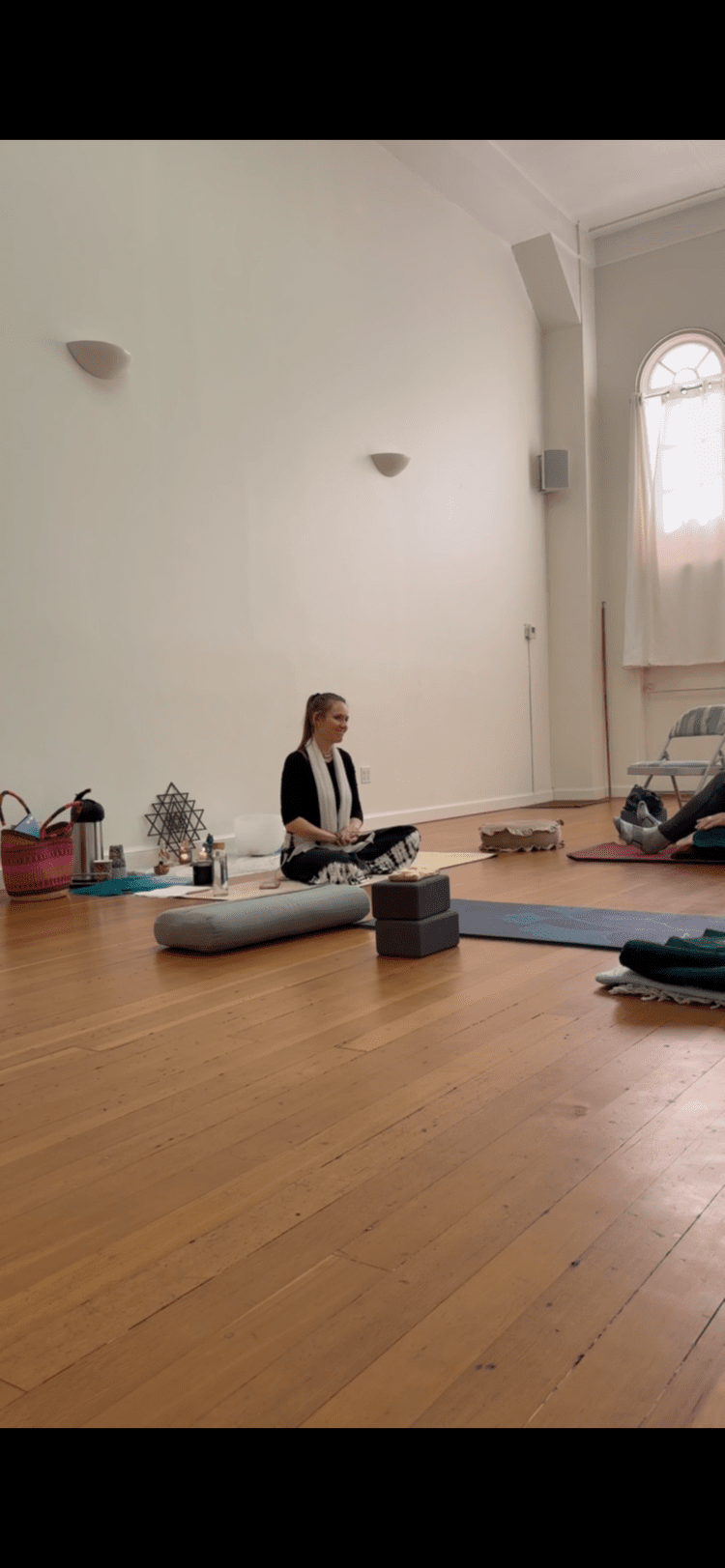
Steady Self School is the institutional form this work takes.
The Architecture of Attention, one-on-one sessions, Steady Flow in Santa Barbara, and the podcast Inner Work, Outer World all serve the same aim: helping people develop a real, practiced relationship with their own inner life. The aim is capacity - something built through repetition and carried into ordinary life.
The school belongs to an ordinary life.
Study, teaching, and practice happen alongside ordinary days, close attention, and the places that keep asking us to return.
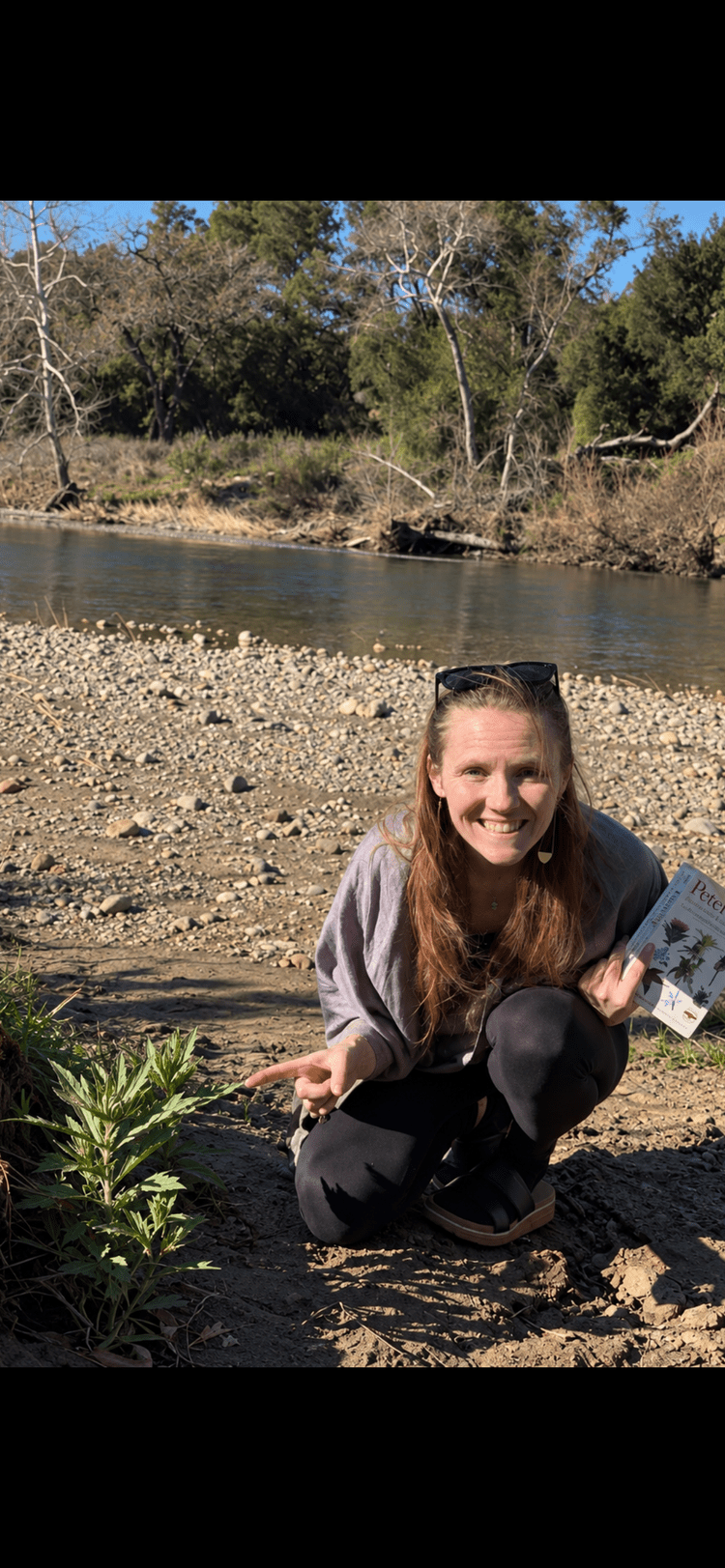
Find the pattern insight alone has not changed.
Eight questions about how your days actually go. Receive the complete field guide and a ten-day correspondence that introduces the school's way of working.
Take the assessmentBased in Santa Barbara, California · working across the United States and internationally